How To Get Rid Of Bindweed For Good
Title: How to Get Rid of Bindweed for Good
Introduction:
Bindweed is a perennial vine that is a major garden pest. It is difficult to control because it has a deep, extensive root system that can spread quickly. Bindweed can quickly overwhelm a garden, choking out desirable plants.
In this blog post, I will discuss how to get rid of bindweed for good. I will cover a variety of methods, including both chemical and organic methods. I will also provide tips on how to prevent bindweed from coming back.
Main Content:
Chemical Methods:
There are a number of chemical herbicides that can be used to kill bindweed. However, it is important to note that these herbicides are not always effective, and they can also be harmful to the environment.
One of the most common herbicides used to kill bindweed is glyphosate. Glyphosate is a systemic herbicide, which means that it is absorbed by the leaves and then transported to the roots, killing the plant. Glyphosate is effective against bindweed, but it is also a non-selective herbicide, which means that it will kill any plant that it comes into contact with.
Another herbicide that can be used to kill bindweed is triclopyr. Triclopyr is a selective herbicide, which means that it is only toxic to certain types of plants. Triclopyr is effective against bindweed, but it is not as effective as glyphosate.
Organic Methods:
There are a number of organic methods that can be used to kill bindweed. These methods are less harmful to the environment than chemical herbicides, but they may not be as effective.
One of the most effective organic methods for killing bindweed is to dig out the roots. This is a labor-intensive process, but it is the only way to ensure that the plant is completely killed. When digging out the roots, it is important to be careful not to break them, as this will allow the plant to regrow.
Another organic method for killing bindweed is to smother it. This can be done by covering the bindweed with black plastic sheeting or cardboard. The plastic or cardboard will block out the sunlight, which will eventually kill the bindweed.
Preventing Bindweed from Coming Back:
Once you have killed the bindweed, it is important to take steps to prevent it from coming back. Here are a few tips:
- Keep your garden free of weeds. Weeds can harbor bindweed seeds, so it is important to keep your garden free of weeds to prevent the spread of bindweed.
- Mulch your garden. Mulch will help to suppress weeds and prevent bindweed from getting a foothold.
- Plant bindweed-resistant plants. There are a number of plants that are resistant to bindweed, such as daylilies, hollyhocks, and roses.
Conclusion:
Getting rid of bindweed can be a challenge, but it is possible. By using a combination of chemical and organic methods, you can kill the bindweed and prevent it from coming back.
Field bindweed is a perennial herbaceous plant with creeping and twining stems that grow along the ground and up through other plants and structures. It is a difficult weed to control, but there are a number of methods that can be used.
For more information about bindweed, please visit Home Gardening. This website provides detailed information about the identification, control, and management of bindweed.
FAQ of bindweed
What is bindweed?
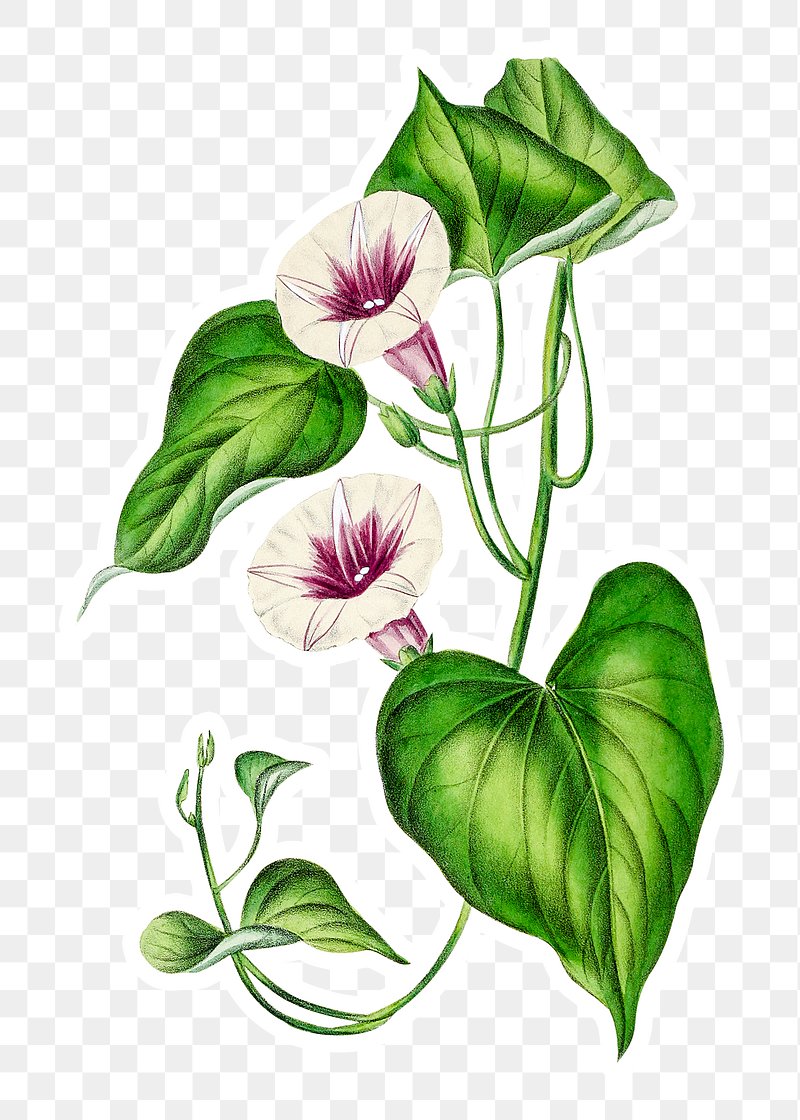
Bindweed is a perennial vine that is native to Europe and Asia. It is a highly invasive weed that can be difficult to control. Bindweed has a long, slender root system that can spread underground for many feet. The plant produces white or pink trumpet-shaped flowers and heart-shaped leaves.
How do I identify bindweed?
The first signs of bindweed are usually thin, thread-like vines that wrap themselves tightly around other plants. As the plant matures, it will produce leaves and flowers. The flowers are trumpet-shaped and can be white or pink.
How do I control bindweed?
Controlling bindweed can be difficult, but it is possible. There are a number of methods that can be used, including:
- Hand pulling: This is the most effective way to control bindweed, but it can be time-consuming and labor-intensive. When hand pulling, be sure to remove as much of the root as possible.
- Mulching: Mulching around plants can help to prevent bindweed from growing. Use a thick layer of mulch, such as wood chips or bark, to smother the weed's roots.
- Chemical herbicides: There are a number of chemical herbicides that can be used to control bindweed. However, it is important to use these herbicides carefully, as they can also harm other plants.
- Cultural controls: There are a number of cultural practices that can help to prevent bindweed from growing, such as:
- Rotating crops: This will help to disrupt the bindweed's life cycle.
- Keeping the garden clean: Remove any bindweed seedlings as soon as they appear.
- Planting resistant plants: There are a number of plants that are resistant to bindweed, such as tomatoes, potatoes, and raspberries.
How can I prevent bindweed from coming back?
Once bindweed has been established, it can be difficult to prevent it from coming back. However, there are a number of things that you can do to reduce the risk of regrowth, including:
- Remove as much of the root as possible when hand pulling.
- Mulch around plants to smother the weed's roots.
- Use a cultural control method, such as crop rotation or planting resistant plants.
- Be patient and persistent. It may take several years to completely control bindweed.
Image of bindweed
10 different images of bindweed that are free to use:
Pink bindweed flowers
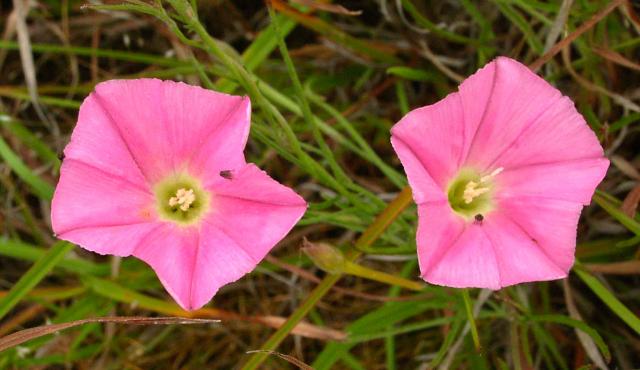
Sprig of fresh bindweed with green leaves

Hedge bindweed
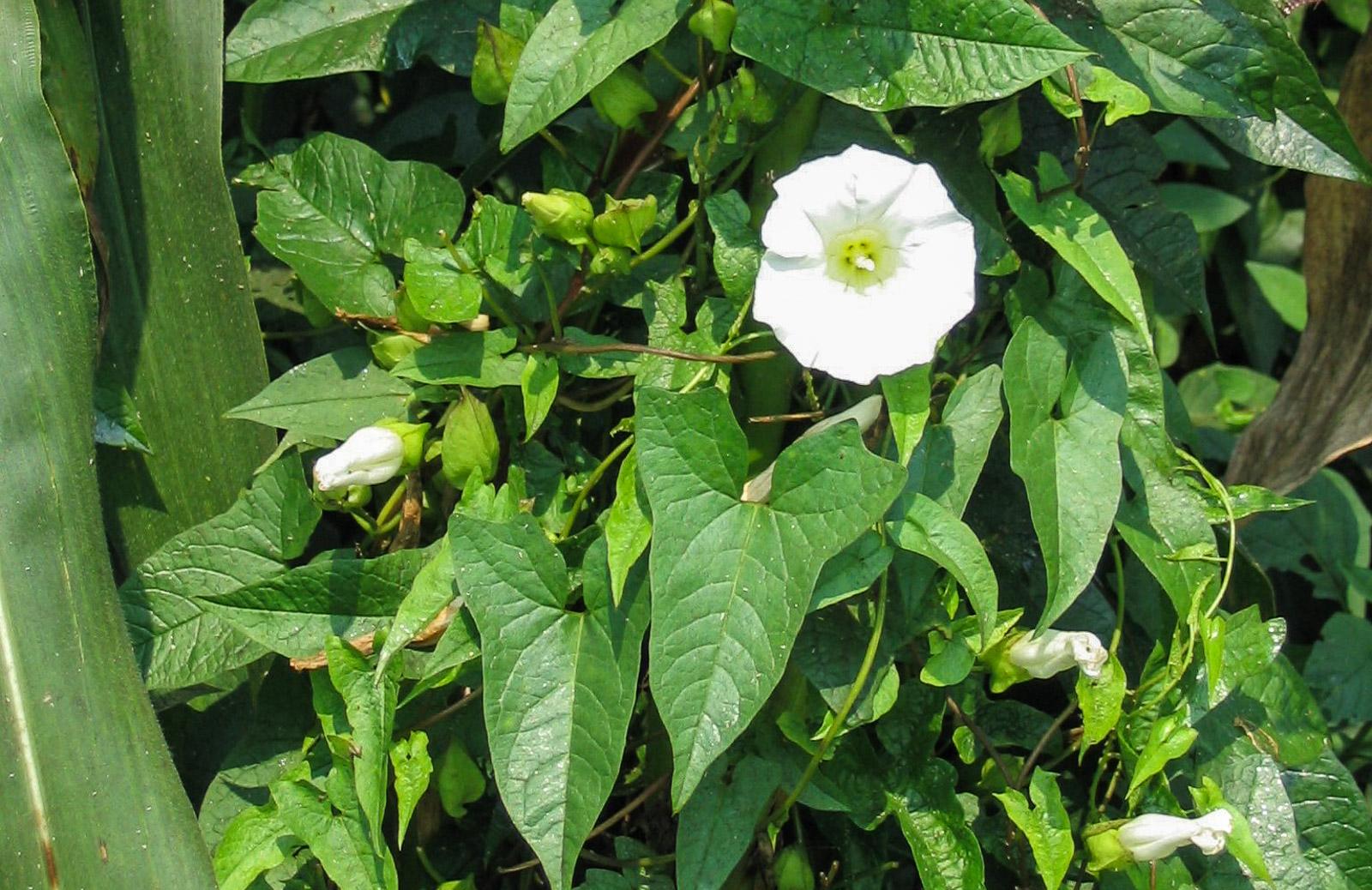
Doorway and bindweed

Hedge bindweed (calystegia sepium) flowers
Green sprout

Lesser bindweed growing up fence
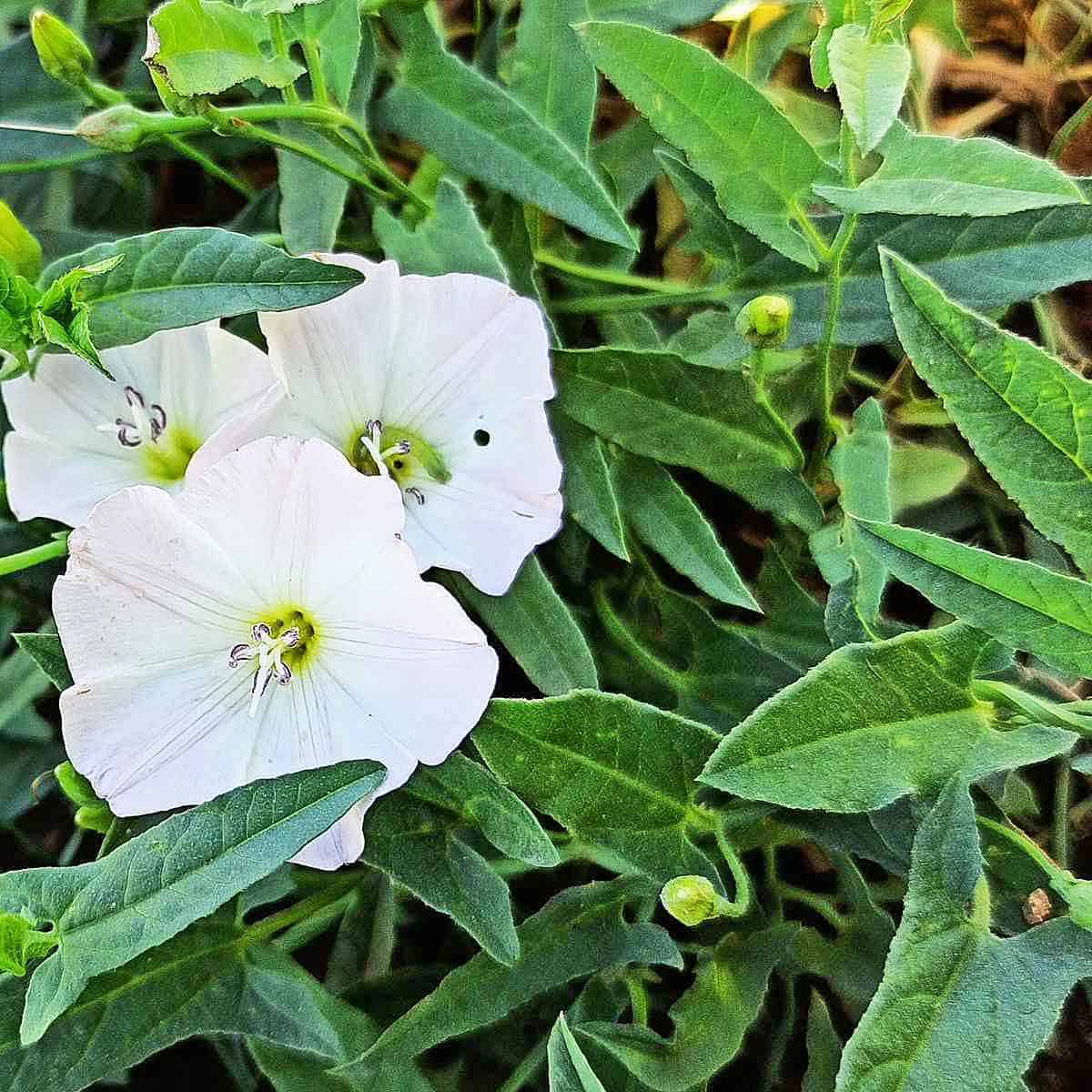
Weed
Tender branch with green leaves
Bindweed spring plant on a transparent background


Post a Comment for "How To Get Rid Of Bindweed For Good"