The Ultimate Guide To Hole Diggers For Plants
The Ultimate Guide to Hole Diggers for Plants
Introduction
Whether you're a seasoned gardener or just starting out, there's no denying that hole diggers are an essential tool for planting trees, shrubs, and other plants. But with so many different types of hole diggers on the market, it can be tough to know which one is right for you.
That's where this guide comes in. In this article, we'll take a look at the different types of hole diggers available, as well as the factors you need to consider when choosing one. We'll also provide some tips on how to use a hole digger safely and effectively.
Types of Hole Diggers
There are two main types of hole diggers: manual and powered. Manual hole diggers are the most basic type, and they're typically made of metal or plastic. They work by using a pair of hinged blades to cut through the soil. Powered hole diggers, on the other hand, use a motor to power a rotating auger. This type of hole digger is much faster than a manual hole digger, but it's also more expensive.
Manual Hole Diggers
Manual hole diggers are the most common type of hole digger. They're relatively inexpensive, and they're easy to use. However, they can be difficult to use in hard soil, and they can be tiring to use over long periods of time.
There are two main types of manual hole diggers: post hole diggers and garden augers. Post hole diggers are designed for digging holes for fence posts and other large objects. They have a long handle and two curved blades that are hinged together. Garden augers are designed for digging smaller holes for plants. They have a shorter handle and a single, spiral-shaped blade.
Powered Hole Diggers
Powered hole diggers are a more efficient way to dig holes. They're powered by a motor, which turns a rotating auger. This type of hole digger is much faster than a manual hole digger, and it's less tiring to use. However, they're also more expensive.
There are two main types of powered hole diggers: electric and gas. Electric hole diggers are powered by an electric motor, and they're a good option for people who don't have access to a gas outlet. Gas hole diggers are powered by a gasoline engine, and they're a good option for people who need to dig holes in remote areas.
Factors to Consider When Choosing a Hole Digger
When choosing a hole digger, there are a few factors you need to consider:
- The type of soil you'll be digging in. If you have hard soil, you'll need a hole digger that's designed for tough conditions.
- The size of the holes you need to dig. If you're planting large trees or shrubs, you'll need a hole digger that can dig deep holes.
- Your budget. Hole diggers can range in price from a few dollars to several hundred dollars.
Tips for Using a Hole Digger Safely and Effectively
When using a hole digger, it's important to take safety precautions to avoid injuries. Here are a few tips:
- Always wear gloves to protect your hands.
- Use the correct type of hole digger for the job.
- Dig in a straight line to prevent the hole digger from tipping over.
- Be careful not to overexert yourself.
Conclusion
Hole diggers are an essential tool for any gardener. By choosing the right type of hole digger and using it safely and effectively, you can make your gardening projects easier and more enjoyable.
Are you looking for a hole digger for plants that is both affordable and effective? If so, I highly recommend checking out Garden Wiki. They have a wide variety of models to choose from, so you're sure to find one that's perfect for your needs. Plus, their prices are very reasonable, and their customer service is top-notch.
I recently purchased a hole digger from Garden Wiki for my garden, and I'm so glad I did. It's made my gardening tasks so much easier, and I'm confident that it will last for years to come.
If you're ready to start digging holes for your plants, I encourage you to visit Garden Wiki today. You won't be disappointed.
FAQ of hole digger for plants
1. What are the different types of hole diggers for plants?
There are three main types of hole diggers for plants:
- Manual hole diggers are the most basic type. They consist of two L-shaped handles with a blade attached to the bottom. To use a manual hole digger, you push the handles together to plunge the blade into the ground, then spread the handles to loosen the dirt.
- Power augers are powered by a gasoline engine or an electric motor. They are much faster than manual hole diggers, and they can dig holes of different sizes.
- Post hole diggers are a type of manual hole digger that is specifically designed for digging holes for posts. They have two curved blades that are attached to a long handle. To use a post hole digger, you push the blades into the ground and then twist them to loosen the dirt.
2. What size hole do I need for my plants?
The size of the hole you need for your plants will depend on the size of the plants. For small plants, you will need a hole that is about 12 inches deep and 6 inches wide. For larger plants, you will need a hole that is about 24 inches deep and 12 inches wide.
3. How do I start a power auger?
To start a power auger, you will need to follow these steps:
- Make sure that the auger is stable on the ground.
- Pump the primer bulb a few times until you see fuel in the line.
- Follow the manufacturer's directions setting the choke.
- Turn ON the ignition switch.
- Squeeze the throttle while pulling the start cord.
4. How do I use a hole digger for plants safely?
Here are some tips for using a hole digger for plants safely:
- Always wear safety glasses when using a hole digger.
- Be careful not to dig too deep, as you could damage the roots of your plants.
- If you are using a power auger, be sure to keep the auger away from your feet and other body parts.
5. What are some tips for choosing a hole digger for plants?
Here are some tips for choosing a hole digger for plants:
- Consider the size of the plants you will be planting.
- Decide whether you want a manual or power auger.
- Think about your budget.
- Read reviews of different hole diggers before making a purchase.
Image of hole digger for plants
- Dibber: A dibber is a small, handheld tool with a sharp point that is used to make small holes in the soil for planting seeds or seedlings.

- Garden trowel: A garden trowel is a versatile tool that can be used for a variety of tasks, including digging holes, transplanting plants, and weeding.
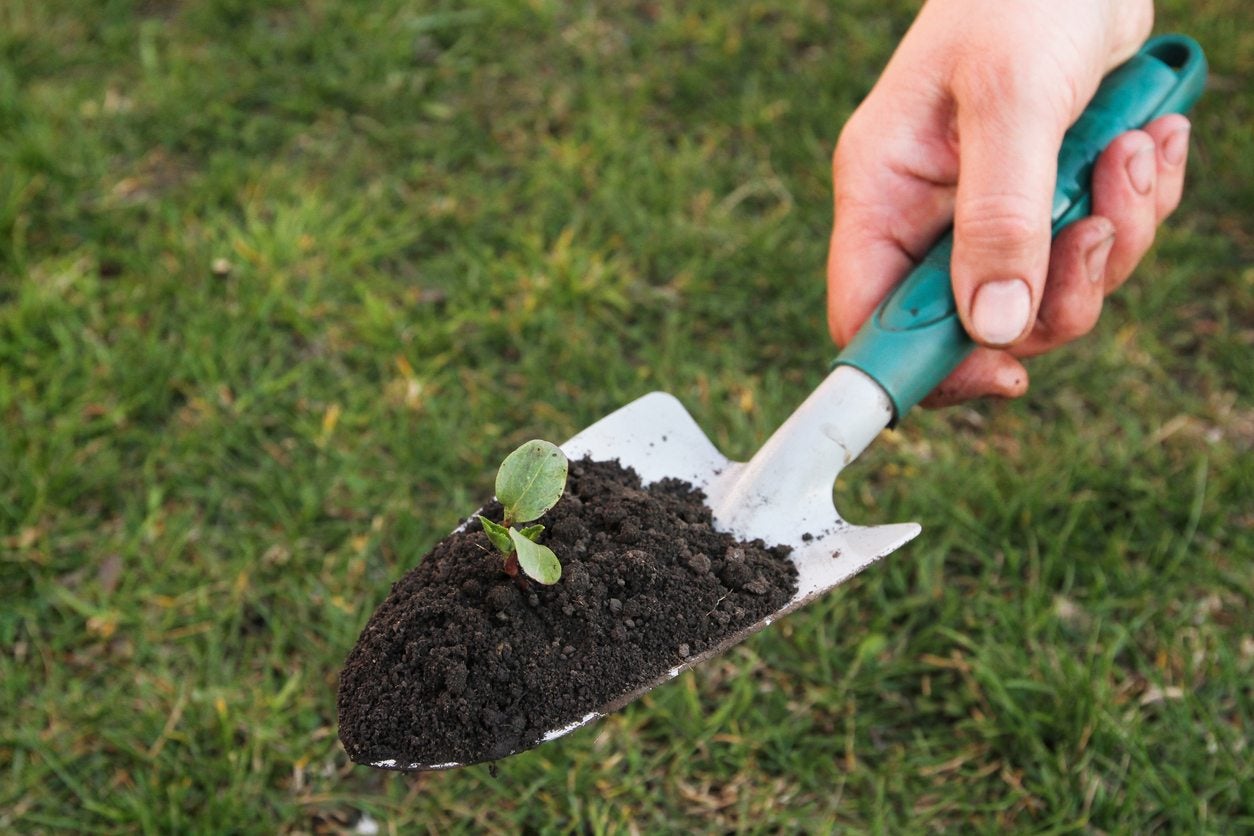
- Post hole digger: A post hole digger is a large, two-handed tool that is used to dig deep holes for posts or other structures.
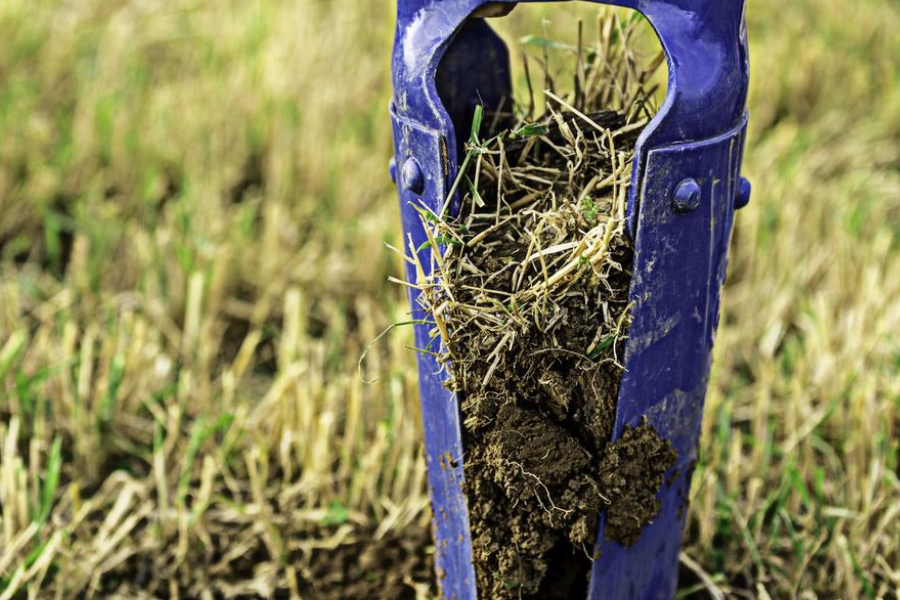
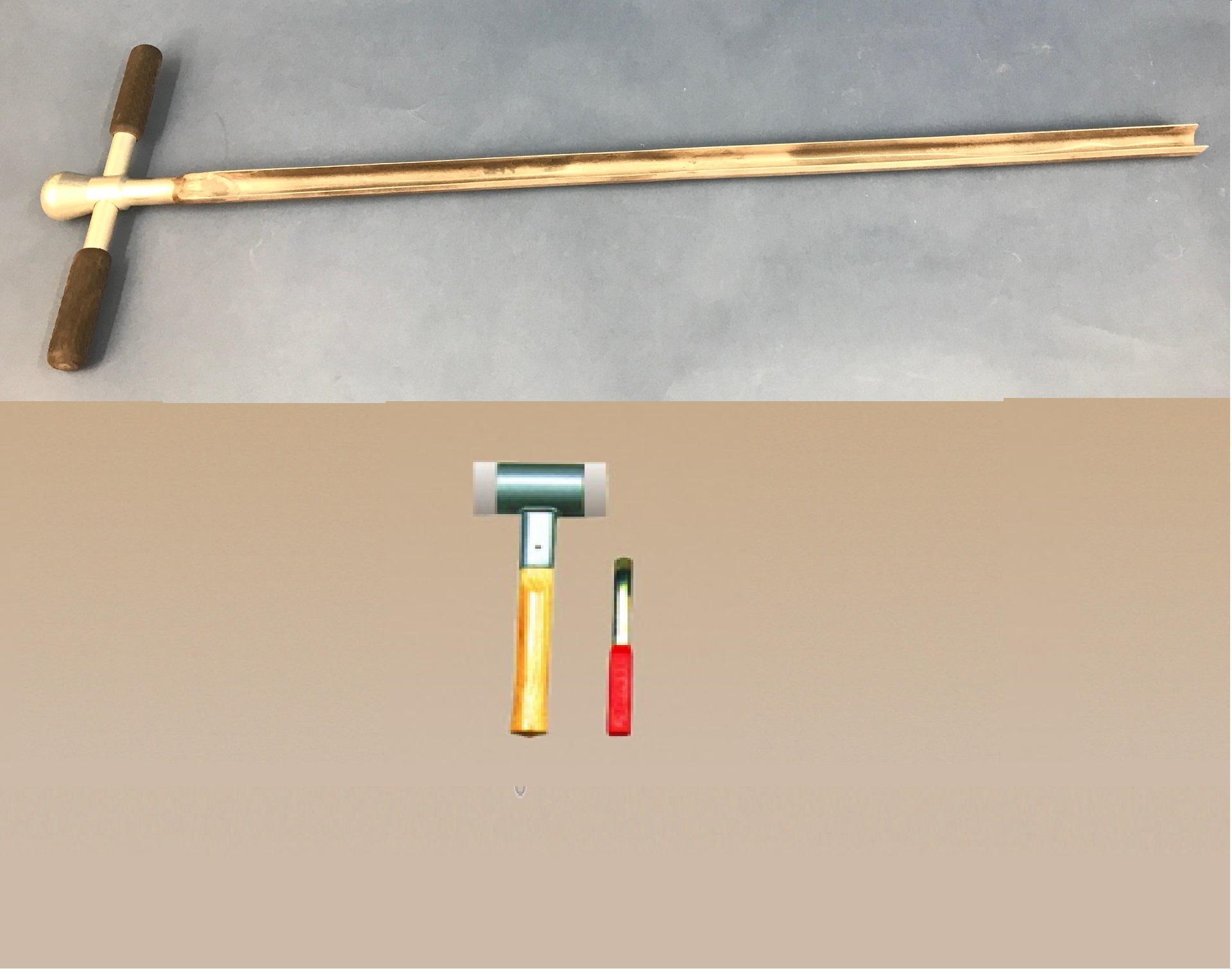
- Drilling attachment: A drilling attachment can be attached to a power drill to make holes in the soil for planting.

- Coring augur: A coring augur is a tool that is used to make cylindrical holes in the soil. This type of hole digger is often used for planting trees or shrubs.

Post a Comment for "The Ultimate Guide To Hole Diggers For Plants"